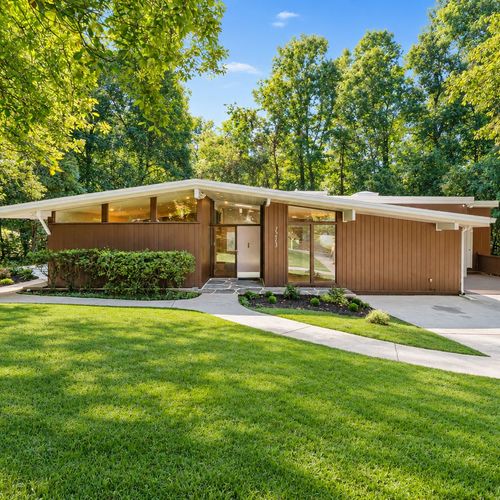



Two mortgages. Two closings. And the very real possibility of watching your dream home slip through your fingers while you're still trying to sell the one you live in.
Sound stressful? Welcome to the great real estate juggling act.
That's exactly where my clients found themselves.
They were a young Atlanta couple who had spent years lovingly renovating their home. But with a growing family came a growing need for space. And when they found their dream home 60 miles outside Atlanta, they knew it was time for their next chapter.
There was just one little problem.
They needed to sell their current home before they could comfortably afford the next one.
And they were terrified someone else would scoop up their dream home before we could make it happen.
So, we got strategic.
We submitted an offer on their new home, and it was accepted! Meanwhile, my team and I went to work creating a marketing strategy designed to make their current home stand out, attract serious buyers, and sell for the highest possible price.
Their dream number? $700,000.
But I saw an opportunity.
After studying the market, analyzing the competition, and building a pricing and marketing strategy around what buyers were actually looking for, we launched their home with a plan to create serious demand.
The result? ELEVEN OFFERS.
And a final sales price of $725,000.
That's $25,000 MORE than my clients had hoped for.
And here's the part I want every Atlanta homeowner to understand:
Selling a home isn't just about putting a sign in the yard, uploading a few pretty photos, and hoping someone falls in love. Hope is not a marketing strategy.
It's about knowing your market, understanding buyer behavior, pricing strategically, and creating the kind of exposure that gets people through the door and competing for your home.
Because when you combine the right marketing, the right exposure, smart pricing, and an agent who knows how to study the market, you give yourself a powerful advantage.
Of course, getting top dollar was only half the battle.
We still had to coordinate the sale of their current home with the purchase of their next one, without putting their finances under unnecessary pressure.
The good news? There are several ways to make buying and selling at the same time work, even when you need the equity from your current home to purchase the next one.
The key is knowing your options, preparing for the unexpected, and having an experienced Atlanta real estate professional who can keep all the moving pieces moving in the right direction.
So, let's talk about the three biggest questions my clients asked before we made their next move happen.
1. How Can You Buy a New Home Without Carrying Two Mortgages?
One of the biggest obstacles to buying before selling is the fear of making two mortgage payments at the same time. Even homeowners with substantial equity in their current property may not have enough available cash to comfortably purchase another home before their existing home sells. Fortunately, there are several possible solutions.
Option 1: Explore a bridge loan.
A bridge loan provides short-term financing that can help you purchase your next home before the proceeds from your current home sale are available. Depending on the lender and loan structure, you may be able to use your existing home's equity toward the down payment on your next property.
Bridge loans can be useful when you have significant equity but need access to that money before closing on your current home. However, they can come with additional costs, and approval depends on your financial circumstances and the lender's requirements.
Option 2: Consider a home equity loan or line of credit.
If you have sufficient equity in your current home, a home equity loan or home equity line of credit (HELOC) may provide funds for your next purchase.
These options have important limitations. The lender will evaluate your income, debt, credit, and ability to manage your existing mortgage along with the additional borrowing. Some lenders may also restrict or decline new equity borrowing when a property is listed for sale or is about to be sold. It is essential to discuss these details with a lender before making plans around this strategy.
Option 3: Negotiate a home-sale contingency.
A home-sale contingency allows you to make an offer on a new home that depends on selling your current property within an agreed-upon period. This can reduce your financial risk because you are not necessarily obligated to complete the purchase if your existing home does not sell under the terms of the contingency. However, in a competitive Atlanta market, sellers may prefer offers without this condition. The best Atlanta realtor can help you evaluate whether a contingent offer is realistic and how to structure it to appeal to the seller.
Option 4: Sell your current home and negotiate additional time to move.
Sometimes the most straightforward approach is to sell your current home first and negotiate a temporary occupancy arrangement that allows you to remain in the property after closing.This can provide additional time to purchase your next home and coordinate the move. The arrangement must be negotiated with the buyer and documented appropriately, with clear terms for occupancy, insurance, utilities, and the final move-out date. The right solution depends on your equity, financing options, cash reserves, and the type of property you want to buy. The important thing is to explore these possibilities before you find yourself under pressure to make an offer.
2. What Happens If Your Current House Doesn't Sell?
This is often the question that keeps homeowners awake at night. You find a home you love, make an offer, and start preparing for the move. But what happens if your existing home sits on the market longer than expected? What if you receive fewer offers than anticipated? Or what if a buyer backs out before closing? These are real risks, and they deserve a realistic plan. Start by understanding what your home is likely to sell for and how long the sale may take.
Fortunately for my clients this did not happen. With my best marketing plan and pricing strategy I was able to get their home under contract in 5 days.
Next, determine how much financial flexibility you have.
Before committing to a second property, ask yourself and your lender some important questions:
Could you afford both mortgage payments for two or three months if necessary?
Do you have enough savings to cover taxes, insurance, utilities, and other ownership costs on both properties?
What would happen if your current home needed a price adjustment?
Do you have a backup plan if a buyer's financing falls through or the closing is delayed?
Finally, establish an exit strategy before buying.
Depending on your circumstances, your backup plan might include negotiating a home-sale contingency, adjusting the purchase timeline, exploring bridge financing, or deciding in advance when a price adjustment would be appropriate.
In some cases, keeping your current home as a rental may be an option, but only if the finances, lender requirements, insurance, and local regulations make sense.
3. How Do You Coordinate Both Closings?
Even when the financing is in place and both properties have interested buyers, coordinating two real estate transactions can be complicated. You may need the money from your current home sale to fund the down payment on your next home. Your buyer may need additional time to finalize financing. The seller of your new home may have their own moving schedule. And your moving company needs to know when the keys will actually be available.
One delayed closing can affect everything else. The first step is to coordinate the timelines early. Ideally, your real estate agent should communicate with the other agent, your lender, and the closing attorneys to identify the critical dates for both transactions.
These include:
The expected closing date for your current home.
The closing date for your new home.
The timing of your sale proceeds becoming available.
Loan approval and underwriting deadlines.
Inspection, appraisal, and financing contingencies.
Your moving and possession dates.
In Georgia, real estate closings are typically handled by attorneys, so communication between the closing teams is particularly important when two transactions depend on one another.
The second step is to determine whether the closings should happen on the same day.
Some homeowners successfully sell their existing property in the morning and purchase their next home later that day. This can work when the sale proceeds are needed for the purchase, but it requires careful coordination.
Your closing attorney and lender must confirm the timing, required documentation, funding procedures, and availability of the proceeds. A morning closing does not automatically mean the money will be available for an afternoon purchase.
For that reason, it is important to have a backup plan in case either closing is delayed.
The third step is to build flexibility into your moving arrangements.
If possible, negotiate dates that allow you enough time to move without unnecessary pressure. Depending on the contracts and the parties' willingness to agree, you may be able to arrange a short post-closing occupancy period at your current home or negotiate a different possession date for your new property.These arrangements must be agreed upon in writing, with clear terms and appropriate legal guidance.A carefully coordinated transaction can help you avoid temporary housing, repeated moving expenses, and the stress of trying to manage two properties at once.
Buying Before Selling Can be a Win-Win if You Hire the Best Atlanta Realtor
My clients scored big on the sale of their home. The open house drew in over 100 people, they got 11 offers and sold for $100,000 over list price! Both homes closed back to back and they had a smooth transition into their new home.
If you are thinking about buying or selling a home contact me, Vanessa Reilly @domoRealty
See All Of Vanessa's 5 Star Reviews:
Click This Link To See 300 Zillow Reviews
Click This Link To See 140 Google Reviews
Check out this article next