


Should you accept a contingent offer on an Atlanta home?
Yes, but only when the contingency is specific, dated, and backed by proof. A contingent offer on your Atlanta home is really a bet on someone else's closing, so the deadline, the evidence of the buyer's sale progress, and your right to keep marketing matter as much as the price. If those three are in writing, a contingent offer can beat waiting. If they're vague, counter or pass.
Key Takeaways
- Across the wider Decatur, GA market, homes that sold over roughly the past 90 days went under contract in a median of 28 days, yet there are 997 homes for sale now against 472 sold in that window, so a buyer's own home is not a guaranteed quick sale.
- "Contingent" is not one risk level: a buyer whose home is merely listed is a very different bet than a buyer whose home is under contract with a closing date set.
- Georgia Real Estate Commission material notes that contingency clauses commonly carry a time limit and may make time of the essence, so a verbal "we'll know soon" is worth nothing.
- A backup offer does not automatically give you a kick-out right; your signed contract and its addenda decide who must respond to what, and by when.
- Accept a contingent offer on your Atlanta home when the dates are short, the proof is real, and you keep the right to market and trigger a kick-out.
What does a contingent offer put at risk on your Atlanta home?
It puts your timeline and your certainty at risk. A contingent offer says "I'll close if something else happens first," and until that something happens, your house is effectively spoken for, even if the price looks gorgeous.
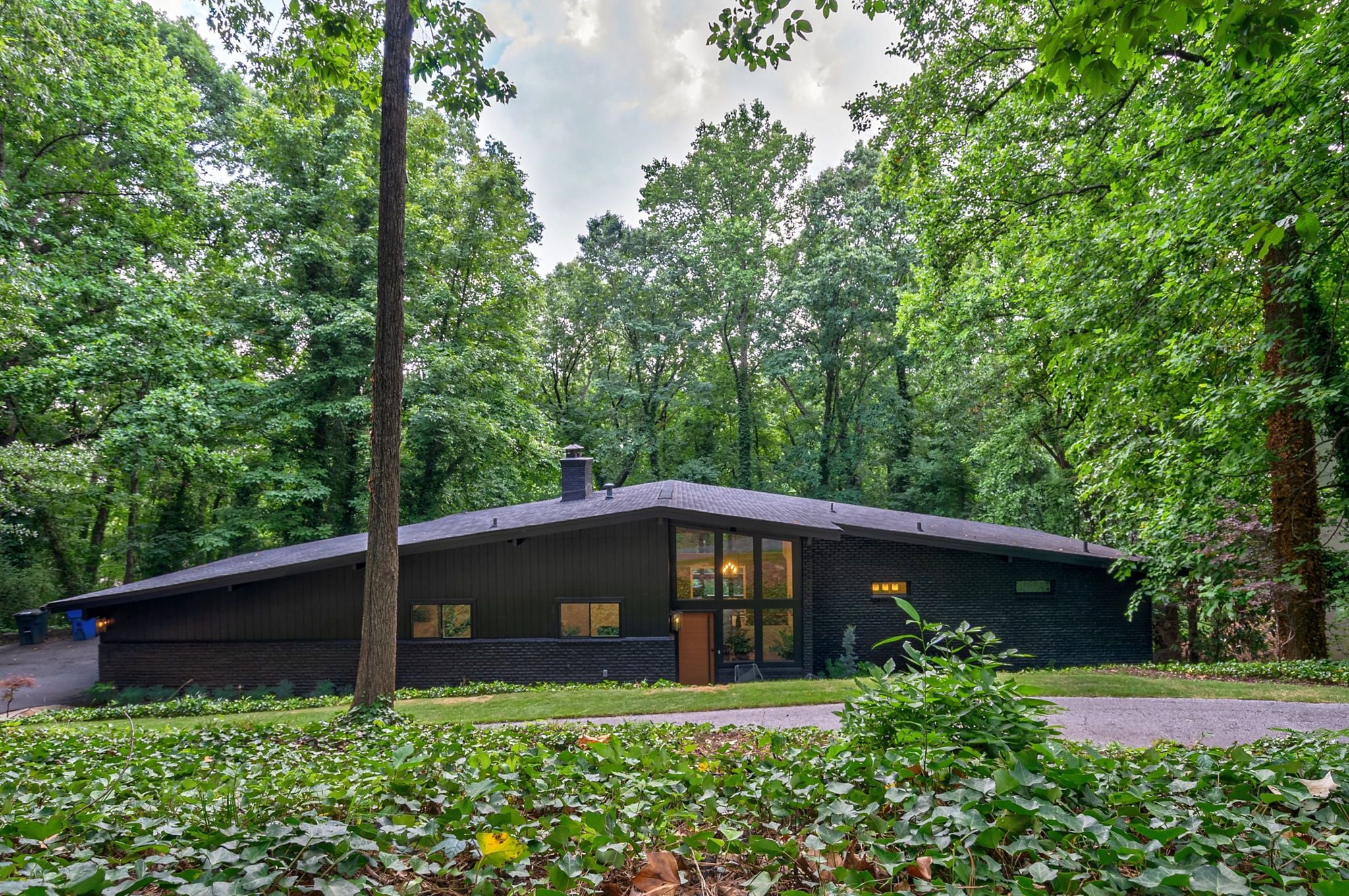
Picture two offers on the same architect-designed ranch. One is a little lower and clean. The other is a little higher but depends on the buyer's current house selling to a stranger who hasn't even been found yet. Which one is really the better offer? That's the question I walk my clients through before anyone signs anything.
Treat each contingency as its own risk
Buyers can attach several conditions to closing, and they are not equally scary:
- Home-sale contingency: depends on the closing of a property you don't control and a buyer you'll never meet.
- Financing contingency: depends on the buyer's lender, which is common and checkable.
- Appraisal contingency: depends on a third-party valuation of your home.
- Inspection contingency: depends on what the inspection finds and how the parties respond.
Lumping all of these into "contingent" is how sellers talk themselves into either panic or complacency. Read each one on its own.
Dates beat promises
The Georgia Real Estate Commission's educational material explains that contingency clauses commonly contain a time limit and may say that time is of the essence, or that the contract becomes void unless a required event happens by a stated date. That's your cue to demand specifics. The contract should name the triggering event, the deadline, how notice is delivered, and what happens if the deadline passes. Have your real estate attorney review the language before you accept.
Read the market, but read the geography first
Recent local market data for the wider Decatur, GA area (homes sold over roughly the last 90 days, through November 2026) shows a median of 28 days from listing to going under contract. There are also 997 homes for sale now, against 472 sold in that window, and 279 new listings in the last 30 days. That tells you a buyer's house is competing with a lot of other houses. It is area-wide context, though, and it includes price points well below where many design-forward homes sit, so don't read it as a forecast for your property.
"Atlanta" also means different things in different reports. The Atlanta REALTORS® Association market brief, the Georgia Association of REALTORS® monthly indicators, and a metro-level read like Realtor.com's October report each use different geographies and measures. Check which one you're looking at before you quote it to a buyer or to yourself.
What proof should you ask for before accepting?
Ask for objective evidence of where the buyer's sale actually stands, not reassurance. A confident buyer with a real plan will hand it over without a fight, and a buyer who dodges the question has answered it.
Useful items to request include:
- Whether the buyer's home is listed, and the listing date and asking price.
- Showing activity and any offers received so far.
- An executed contract on their home, if one exists.
- The financing status of the person buying their home.
- Inspection and appraisal progress on that sale.
- The scheduled closing date.
To be clear, these are diligence items, not fixed Georgia statutory requirements. You're asking because it's smart, and you should write the request into the offer terms.
Use a risk spectrum, not a coin flip
I can't hand you a universal probability that a given contingent deal closes, and nobody honest can. What I can do is show you where a buyer sits on the spectrum:
| Status of the buyer's current home | What it tells you | How I weigh it |
|---|---|---|
| Not yet listed | The clock hasn't started on their side | Highest timing risk; push for a short deadline |
| Listed, no showings or offers | Unproven pricing or presentation | High risk; ask about their pricing and plan |
| Listed with active showings or offers | Interest exists but nothing is signed | Moderate risk; ask for updates on a set schedule |
| Under contract, inspection, appraisal, or financing still open | A buyer exists, but conditions remain | Lower risk; track those dates closely |
| Under contract, major contingencies cleared, closing date set | Their sale is close to the finish line | Lowest risk of the group; compare closing dates |
Your specific situation will shift where a given deal lands on that table. That's exactly where a conversation about your home, your goals, and your next move comes in.
How do kick-out clauses and backup offers protect you?
A kick-out clause gives you a contract-defined procedure to require the contingent buyer to remove or satisfy the contingency, or end the deal under stated conditions, once another acceptable offer shows up. A backup agreement is a different tool: it places a second buyer behind the first contract and only becomes operative under the conditions written into it.
The Georgia Association of REALTORS® publishes separate forms for these jobs, including an F604 Back-Up Agreement Contingency Exhibit and an F605 Addendum to Back-Up Agreement. Separate forms for separate functions is your hint that they shouldn't be confused.
A backup offer is not a kick-out
This is the trap. Accepting a backup offer does not automatically give you the right to terminate the first contract. The notice, response, and termination rights live in the executed contract and its addenda, and the exact legal effect depends on what was signed. Have your real estate attorney read that language, not just your agent.
Check the response period like it's the whole deal
A kick-out is only as useful as its response window. Before you sign, pin down:
- How quickly the first buyer must respond once you give notice.
- How notice must be delivered.
- Whether the buyer can waive the home-sale contingency and keep the contract.
- What happens if the buyer can't respond by the deadline.
Decide whether you can keep marketing your Atlanta home
If you want showings to continue, say so in the contract. It should address whether the home stays actively marketed, whether you may solicit additional offers, and what event activates the kick-out procedure. Don't assume. For a distinctive property, the marketing is the engine, and shutting it off by default is a big concession. If you're curious how that engine runs in week one, I break it down in what sellers of Atlanta mid-century modern homes should expect from listing week.
When should you accept, counter, or pass?
Accept when the proof is strong, the deadline is short, and you keep the right to market and trigger a kick-out. Counter when the offer is close but the paper is soft. Pass when the contingency is open-ended and you'd be waiting on a stranger with no end date.
- Accept if the buyer's home is under contract or close to it, the dates are written, and your marketing rights are intact.
- Counter if the price is right but the deadline is loose. Tighten the dates, add proof requirements, and spell out the kick-out response window.
- Pass if the buyer's home isn't listed, there's no firm deadline, and you'd have to stop showings. A higher number doesn't pay you back for months of limbo.
A distinctive home tends to sell to whoever falls for it hardest, and that person sometimes needs a few showing days to turn up. Take a contingent offer too early with no marketing rights and you may have capped the room for that buyer. Keep the door open in writing and you've kept your options. For the broader view of how buyers are behaving right now, see my take on Atlanta's cooling real estate market.
None of this is one-size-fits-all. Your timing, your next purchase, and your home's personality all change the answer. If you're weighing an offer like this, it helps to have someone who has read hundreds of these contracts on your side, and choosing the right agent for a unique home is half the battle.
FAQ
Should I accept a contingent offer if the buyer still has to sell their home?
Accept only if the deal is documented tightly enough that you can live with the worst case. That means a firm deadline, proof of the buyer's sale progress, and the right to keep marketing with a kick-out. If the buyer's home isn't listed yet, I'd counter or pass.
What is a kick-out clause, and how does it work in Georgia?
A kick-out clause is a contract-defined procedure that lets you require the contingent buyer to remove or satisfy the contingency, or end the deal under stated conditions, after another acceptable offer appears. How it works depends on the notice and response terms in your signed contract, so have your real estate attorney review them.
Can a seller accept a backup offer while under contract with a contingent buyer?
Generally yes, a backup agreement can sit behind the first contract. But a backup offer does not automatically create a right to terminate the first contract. The Georgia Association of REALTORS® publishes separate forms for back-up agreements, and the exact effect depends on what the parties sign.
Can I keep marketing my Atlanta home after accepting a contingent offer?
You can if the contract allows it, so write it in. The agreement should state whether the home remains actively marketed, whether you may solicit additional offers, and what event triggers any kick-out procedure.
Can a seller reject a contingent offer even if it has the highest price?
Yes. Price is one term among many, and a higher number tied to a loose, undated contingency can be worth less than a lower, cleaner offer. I'll help you compare the full set of terms before you answer.
Your next move
A contingent offer isn't good or bad on its face. It's good when the dates are firm, the proof is real, and you keep your options, and it's a headache when any of those are missing. If you have an offer on the table or you're about to list, I'll walk through the terms with you and tell you plainly whether I'd accept, counter, or pass.
Schedule a consultation with me at DOMO Realty and we'll look at your home and your timeline together.
Equal Housing Opportunity. DOMO Realty is regulated by the Georgia Real Estate Commission. This article is general information, not legal, tax, or financial advice; confirm your own situation and numbers with your real estate attorney, tax advisor, or lender.
Check out this article next