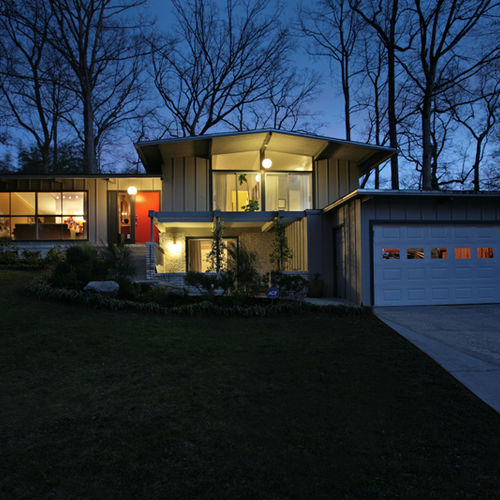


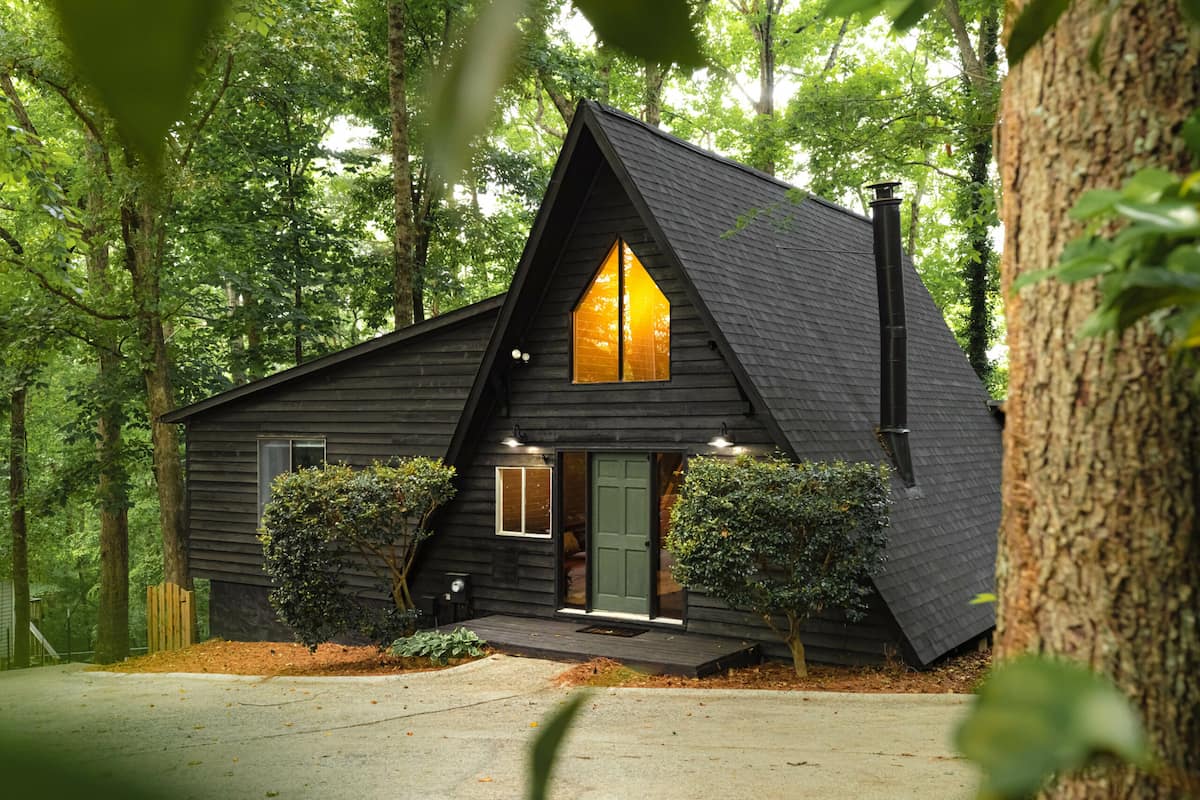
Unique homes don't follow the same rules as the house down the street, and that means selling one requires a completely different playbook. From pricing strategy to buyer psychology, this guide breaks down exactly what it takes to sell a mid-century modern or architecturally distinctive home in Atlanta for what it's actually worth.
Owning a mid Century Modern or any unique home in Atlanta makes you feel like a million bucks. Looking at your neighbor's "traditional" home next door, you know in your heart there is no way it could be worth more than your post and beam masterpiece.
However it takes a strategic marketing plan to sell a unique home. This Is because unique homes do not behave like cookie-cutter inventory. They attract different buyers, trigger different emotions, and often have fewer clean comps.
Pricing any type of a unique home is more than neighborhood comps and number of bedrooms. It takes someone who knows the real value of architecture, design and structural integrity. Pricing them like a “normal house” can leave money on the table or scare off the exact people who would pay a premium
What makes a home “unique”?
Homes that are hard to replicate, meaning you can't go to the local Home Depot to find replacement windows, doors or other fixtures. These homes are spread throughout Atlanta and actively desired by a specific buyer segment.
Architectural Features
Mid-century modern design
Post-and-beam construction
Clerestory windows
Vaulted ceilings
Flat and butterfly roof lines
Atriums, courtyards, bringing the outdoors inside
Split-level or multi-plane designs
Large walls of glass
Authentic materials and original details
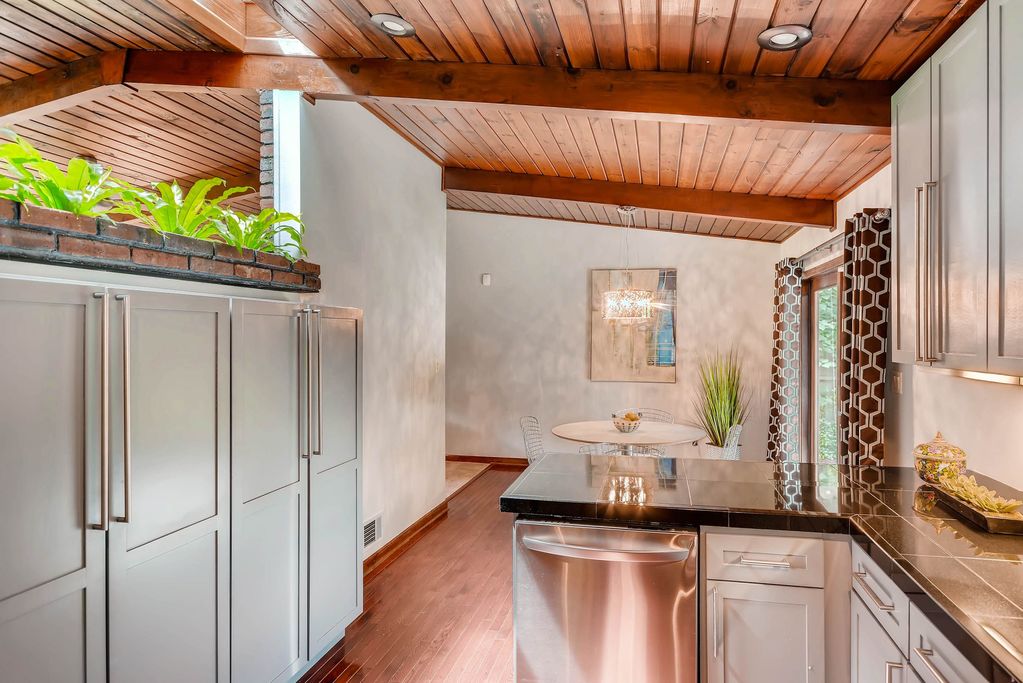
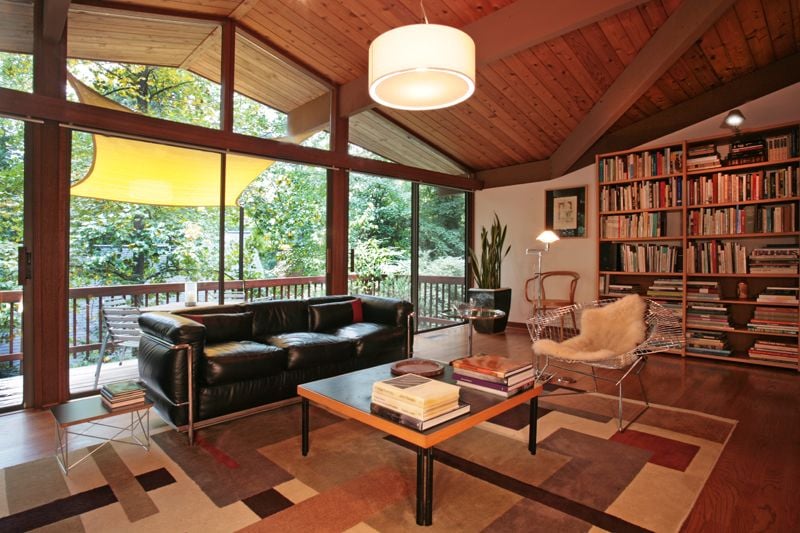
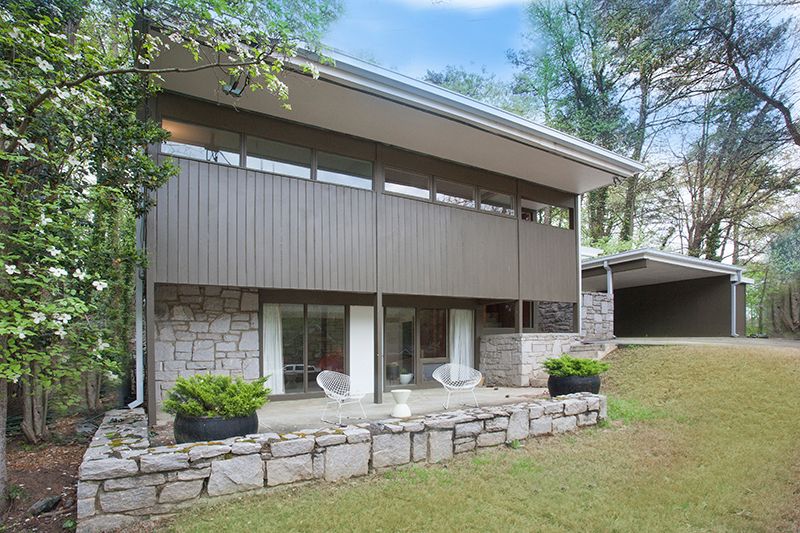
These are not “nice extras.” They are the bones of the houses.
Location Matters
Northcrest, Briarcliff Woods, Echo Woods, Northwoods, Amberwood, and Sagamore Hills. are just some of the neighborhoods in metro Atlanta you can find these gems.
Many of these neighborhoods are located in good school districts and close to sought after amenities. This also factors in to add value.
Atlanta buyers searching for a specific type of home pay for the full package, not just square footage.
Condition and integrity
This is the part many sellers miss. A unique home is not automatically valuable if it is poorly maintained or heavily compromised.
Two mid-century homes can look similar from the curb, but value changes fast based on:
Original elements preserved vs stripped out
Renovations that respect the design vs fight it
Mechanical updates (roof, HVAC, plumbing, electrical)
Window quality and energy performance
Craftsmanship and finish level
If you want top-dollar, uniqueness must be paired with quality.
Scarcity is Not a Buzzword. It is Pricing Power
When a home is hard to find, the right buyers get serious quickly. Especially if they have been watching the market for months waiting for the right one. However, scarcity can backfire if you overreach.
Overpricing a unique home often causes:
Fewer showings (because the buyer pool is smaller)
Longer days on market
A “what’s wrong with it?” vibe
Price reductions that hurt credibility
Why Are Comps harder for unique homes?
This is a frequently asked question from sellers. Here is why.
Traditional homes often have plenty of comps:
Similar layouts
Similar materials
Similar construction eras
Similar renovation patterns
Unique homes often do not. Even in mid-century pockets, you can see wide variation in:
Lot size and orientation
Layout efficiency
Renovation quality
Ceiling height and light
Architectural pedigree and integrity
So pricing becomes less about “copy the comp” and more about “build a price case.”
Buyer psychology
These buyers are driven more by emotions than logic. They have a strong need for authenticity and nostalgia. Most have deep appreciation and connection to nature and love the idea of bringing the outdoors inside. Design-forward buyers do not just buy bedrooms and bathrooms. They buy a feeling.
Unique-home buyers are not casual
Many modern-home buyers:
Follow listings for months
Know the architecture they want
Have saved searches for specific neighborhoods
Will move fast when the right home appears
If you market and price correctly, these buyers compete. That competition is where pricing wins happen.
This is one reason sellers search phrases like “sell mid-century modern home Atlanta” and “unique home specialist Atlanta.” They know they need different expertise.
Pricing communicates status and quality
Here’s the uncomfortable truth:
Price is part of the story.
If you under price a unique home, some buyers assume:
The home has issues
The renovations are cheap
The architecture is compromised
The location is less desirable than it looks
If you overprice it, buyers assume:
The seller is unrealistic
Negotiations will be painful
The home will sit, so they can wait you out
The right price signals quality and urgency at the same time. That is the sweet spot.
The first 7 to 14 days matter more for unique homes
Because the buyer pool is smaller, your launch window is everything.
Strong strategy during that window includes:
Perfect media and presentation
Correct architectural language in the MLS
Targeted distribution to design-aware buyers
Showing strategy that builds momentum
Offer strategy that protects leverage
The “how to sell a unique home” reality check
The first step is to find an experienced real estate professional to market your home .We all know someone that just got their real estate license and you may want to help them ....don't do it!
This is a job for a realtor with many years selling these types of homes. Someone with an outstanding marketing plan. A realtor that prices a home to get multiple offers and a quick sale. Someone like Vanessa Reilly at Domo Realty. Domo has over 18 years of successfully marketing and selling these unique homes. .The hundreds of five star reviews on Google and Zillow speak loudly of the quality and high standards of Vanessa Reilly and the team at Domo Realty.
Q: How do I know if my Atlanta home qualifies as "unique" for pricing purposes? A: If your home has features that can't be easily replicated with off-the-shelf materials, like post-and-beam construction, clerestory windows, an atrium, butterfly rooflines, or original terrazzo, it likely falls into the unique or architecturally significant category. These homes attract a specific buyer and should be priced and marketed accordingly.
Q: Why are comps so hard to find for mid-century modern homes in Atlanta? A: Even within mid-century pockets like Northcrest or Briarcliff Woods, wide variation in lot size, ceiling height, renovation quality, and architectural integrity makes direct comparisons difficult. Pricing a unique home means building a price case, not copying a comp.
Q: Can I overprice my mid-century modern home because it's rare? A: Scarcity gives you pricing power, but overreaching backfires fast. A smaller buyer pool means fewer showings, longer days on market, and the dreaded "what's wrong with it?" stigma. The right price signals quality and urgency at the same time.
Q: What do buyers of unique and mid-century modern homes actually care about? A: These buyers are emotion-driven. They want authenticity, connection to nature, and a home that feels intentional. They've often been watching the market for months with saved searches for specific neighborhoods. They don't buy bedrooms and bathrooms. They buy a feeling.
Q: Does the condition of my mid-century modern home affect its value? A: Absolutely. Two mid-century homes can look similar from the street, but value shifts quickly based on whether original elements were preserved, renovations respected the architecture, and mechanical systems like HVAC, roof, and plumbing were updated. Uniqueness plus quality equals top dollar.
Q: How important is the first two weeks after listing a unique home? A: Critical. Because the buyer pool is smaller, the launch window is everything. Strong media, correct architectural language in the MLS, targeted distribution, and a smart showing strategy in the first 7 to 14 days can mean the difference between multiple offers and a price reduction.
Q: Who should I hire to sell my mid-century modern or unique home in Atlanta? A: This is not the moment to help a newly licensed friend build their resume. You need a specialist with years of experience pricing and marketing architecturally distinctive homes. Vanessa Reilly at DOMO Realty has over 18 years doing exactly that, with hundreds of five-star reviews on Google and Zillow to back it up.
Check out this article next