


What should buyers inspect in a mid-century modern home?
In a Northcrest mid-century home, put the roof and skylights first, then drainage, the electrical system, and any addition or renovation that changed the original footprint. Match every visible improvement against the City of Atlanta's permit records, and treat the inspection report as the document that decides whether you repair, renegotiate, or walk. A fresh renovation can make a house look flawless while hiding the very problems you're paying an inspector to find.
Key Takeaways
- Metro Atlanta homes averaged 30 days on market in September 2026, so line up your inspector and any specialists before you write the offer, not after.
- Skylights need their own look at the curb, flashing, shaft, interior trim, and surrounding ceiling, because a new coat of paint can cover old water damage.
- Atlanta permit records are searchable by property address through the city's Accela portal, and they show the city's process, not proof that the work was done right.
- A missing permit record does not automatically mean illegal work, but unresolved records on a major addition are a reason to slow down and get answers in writing.
- Your remedy for inspection findings (repairs, credit, price adjustment, or termination) depends on your purchase contract, so have your real estate attorney read it.
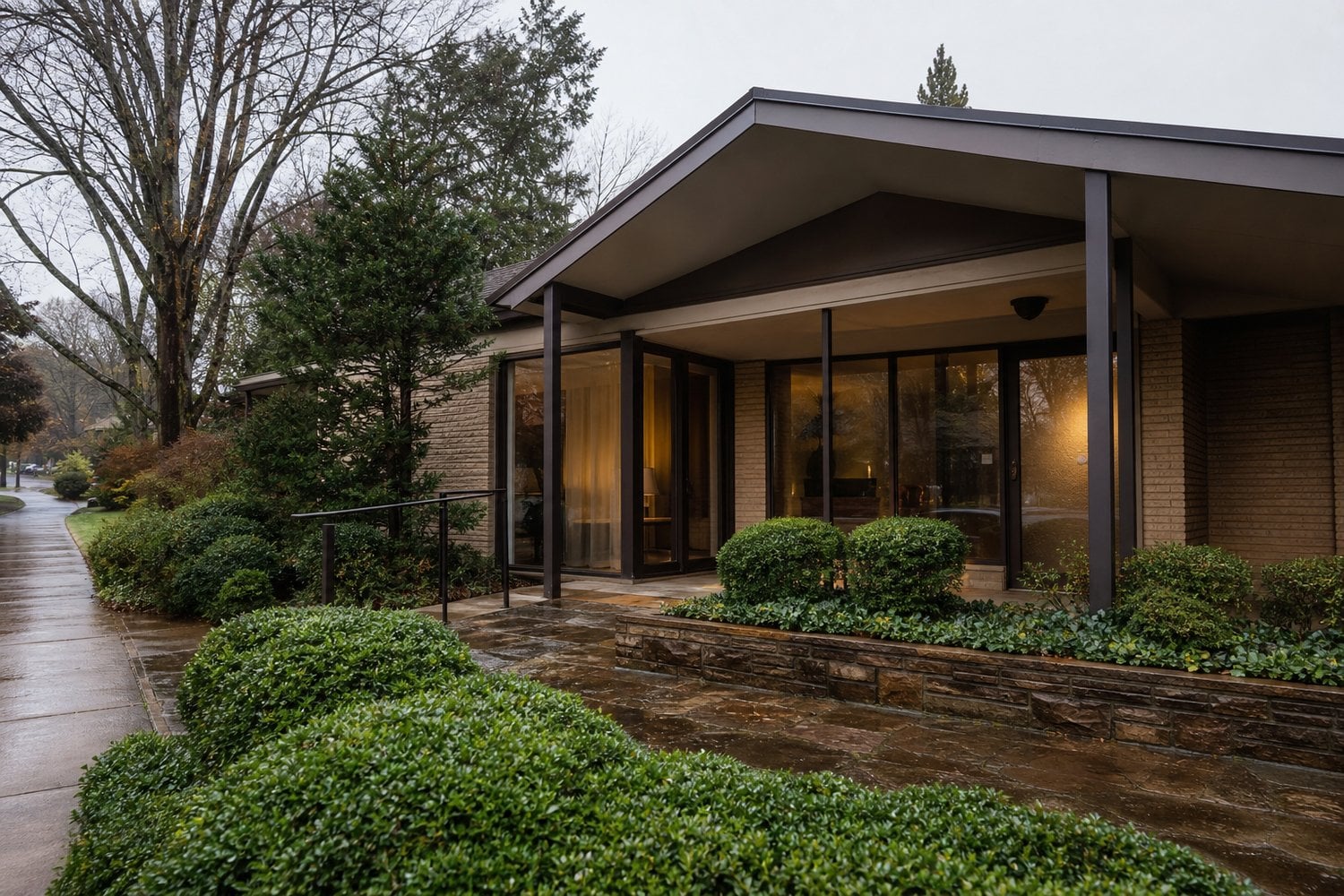
Picture the listing photos: a wall of glass, a vaulted ceiling, a skylight pouring light over a freshly redone kitchen. It's gorgeous. Now picture the faint stain that used to live right under that skylight, and the painter who was very good at his job.
That's the tension with a renovated Northcrest mid-century home. The design is the whole point, and the design (low rooflines, big glazing, additions bolted on over decades) is also where the trouble hides. I'd rather you fall in love with eyes open. Here's how I walk buyers through it.
How do you inspect the roof and skylights on a mid-century home?
Have the inspector look at roof age, installation quality, flashing, penetrations, valleys, attic ventilation, sheathing, insulation, and any sign of active or hidden moisture, then give skylights their own line in the report. The roof and skylights are where a renovated older home is most likely to hide a past leak behind new finishes.
Roof condition
Ask for the roof's age and who installed it. Then ask the inspector to go beyond "it looks fine from the ground." Flashing, valleys, and anything poking through the roof (vents, chimneys, skylight curbs) are the usual leak points, and the attic tells the real story: staining on sheathing, damp insulation, poor ventilation.
If your inspector flags anything, or the roof is old and the report is vague, bring in a roofing contractor for a written scope. Don't guess at replacement numbers. The available local sources don't support a verified Northcrest replacement cost, so get an actual bid.
Skylights
Skylights deserve separate attention at five spots: the curb, the flashing, the light shaft, the interior trim, and the ceiling around it. A recent interior renovation can conceal earlier water damage, so look for fresh paint isolated around a skylight, hairline cracks in the ceiling, or trim that looks newer than everything beside it.
Ask the seller directly whether any skylight has leaked and whether it was repaired or replaced. Get the answer in writing if you can, and compare it against what the inspector sees.
| System | What to have examined | Who to call if it's flagged |
|---|---|---|
| Roof | Age, installation quality, flashing, penetrations, valleys, attic ventilation, sheathing | Roofing contractor |
| Skylights | Curb, flashing, shaft, interior trim, surrounding ceiling | Roofing or skylight specialist |
| Drainage | Downspout discharge, soil slope, retaining walls, crawlspace or low-area dampness | Drainage contractor or structural engineer |
| Electrical | Service size, panel, grounding and bonding, outdated wiring, exterior receptacles | Georgia-licensed electrical contractor |
| Additions | Footprint compared with older photos, surveys, and tax records; permit history | City of Atlanta Office of Buildings and your attorney |
What should you check for drainage and electrical problems in an older renovated home?
Check where water goes when it leaves the roof, and check what's behind the walls once the renovation is done. Drainage and electrical are the two systems a pretty remodel can't improve on its own, so they need a trained eye.
Drainage and site conditions
If you can, walk the lot during or right after a rain. Watch where the roof water goes, whether the downspouts dump it safely away from the foundation, and whether the soil slopes toward the house instead of away from it.
- Look at retaining walls, crawlspaces, and any low section of an addition for dampness.
- Look for erosion, settlement cracks, or signs that someone has waterproofed before.
- Ask the seller what's been done to the grading or drainage and who did it.
Recurring moisture, settlement, or a history of waterproofing work is your cue to bring in a drainage contractor or a structural engineer. Water that gets under or against a house is patient, and it wins eventually.
Electrical systems
In a renovated older home, the inspector should identify the service size and panel condition, grounding and bonding, any visible aluminum or outdated wiring, overloaded circuits, improper alterations, exterior receptacles, and garage or carport wiring. Wet and exterior locations need the right protection, too.
If the panel, the wiring, or the renovation history raises concerns, get a Georgia-licensed electrical contractor to evaluate it rather than relying on a general inspection alone. A general inspector can spot the smoke. An electrician tells you how big the fire is.
How do you verify permits and additions on a Northcrest mid-century home?
Search the property's street address in the City of Atlanta's Accela Citizen Access portal, then compare every permit's scope, dates, and final status against the work you can see. The portal lets you search by site address, parcel number, contractor license information, or permit information.
What to look for in the permit record
Review permits for additions, structural changes, electrical, plumbing, HVAC, roofing, decks, and exterior alterations. Residential additions, deck or patio additions, and interior or exterior alterations are all permit categories handled through the city's Office of Buildings, and the ATL311 guidance explains that most applications are submitted online through Accela.
Don't take "it was just cosmetic" at face value. Atlanta says work to build, alter, add to, demolish, or change the use or layout of a property may require approval from the Department of City Planning and other agencies, depending on scope and zoning district.
Spotting an addition that grew the footprint
Enclosed porches, expanded rear rooms, and carport conversions are classic mid-century upgrades. Compare the home's apparent footprint with older listing photos, surveys, tax records, and the original floor plan if you can find one.
The city notes that additions, increased lot coverage, changes to the building footprint, and certain façade changes may typically require a Special Administrative Permit. So an addition can involve more than a basic building permit.
What a permit does and doesn't prove
The Office of Buildings issues permits, conducts inspections, and enforces building codes. A clean permit trail tells you the city's process was used. It does not replace your own inspection of the finished work.
The reverse is true as well. A missing record doesn't prove the work was illegal, since records can be incomplete, work may have been permitted under a different description, and requirements change over time. If something doesn't line up, ask the Office of Buildings for clarification and have your attorney weigh in rather than inferring approval from the seller's renovation story.
Separately, the city's Historic Preservation Application Tracker can be searched by address. It matters if a property is subject to historic review. I'd confirm your specific property's status rather than assume either way.
The same permit-and-inspection routine applies to older homes across Amberwood, Leafmore, Sagamore Hills, and the rest of the Northcrest area. If you want a second set of eyes on the records, that's part of how I work with buyers at DOMO Realty. My whole business is mid-century and architecturally significant homes, so I've seen how these houses are altered over the years.
What do you do when the inspection findings come back rough?
Organize the findings, get written specialist scopes for anything material, and use them to ask for repairs, a credit, or a price adjustment, or to terminate if your contract allows. I tell buyers the inspection is what gives you the option to renegotiate or walk away, so don't waive the option you're paying to create.
Turning findings into repair requests
Work within the due-diligence or inspection period stated in your purchase contract, and get written reports and specialist estimates for material defects. Then sort your requests into groups:
- Safety issues
- Active water intrusion
- Structural or drainage concerns
- Code-related concerns
- Routine maintenance
Lead with the first four. Routine maintenance rarely deserves a fight. Possible outcomes include seller repairs, a credit or price adjustment, or a repair escrow if your contract and lender allow it. Which remedy you actually have depends on your purchase agreement, so review it with your real estate attorney.
Timing matters here. The Atlanta REALTORS® September 2026 market brief shows metro Atlanta with a 4.9-month supply and homes averaging 30 days on market. That's a regional picture, not a Northcrest number, but it tells you decent homes move, and your inspection window won't wait for you to find a roofer.
When to walk away
Escalate before you proceed if you see any of these:
- Active roof or skylight leakage with concealed damage
- Persistent foundation drainage problems
- Unsafe or extensively altered electrical systems
- A major addition with unresolved permits
- A repair scope you can't define before your contractual deadline
There's no reliable local dollar threshold that tells you when to quit. Use written specialist scopes and real bids, not generic renovation estimates. If you can't get a clear scope before the deadline, that uncertainty is itself information.
If you're also thinking about what these homes are worth when it's your turn to sell, I've written on whether mid-century modern homes sell for more in Atlanta and on selling a mid-century modern home in Northcrest. Documented inspection and permit history helps on both sides of the table.
FAQ
How can I tell whether a Northcrest addition was properly permitted?
Search the property's address in the City of Atlanta's Accela portal and compare each permit's scope, dates, and final status with the work you can see. Also compare the home's footprint with older photos, surveys, and tax records. If records are missing or unclear, ask the Office of Buildings for clarification and have your attorney review before your inspection period ends.
Should I get a separate roof inspection for an older Atlanta home?
Often, yes, especially when your general inspector flags concerns or can't tell you the roof's age and condition with confidence. A roofing contractor can give you a written scope for flashing, penetrations, valleys, and attic conditions. Skylights are worth including in that evaluation.
How can poor grading or drainage damage a mid-century house?
Water that collects near the foundation can cause dampness in crawlspaces and low areas, erosion, and settlement over time. Watch for downspouts that discharge at the foundation, soil that slopes toward the house, and recurring moisture. A drainage contractor or structural engineer can evaluate anything that looks persistent.
What electrical problems should I watch for in renovated older homes?
Have the inspector check the service size and panel condition, grounding and bonding, visible aluminum or outdated wiring, overloaded circuits, and improper alterations. Exterior receptacles and garage or carport wiring need a look too. If anything concerns the inspector, a Georgia-licensed electrical contractor should evaluate it.
When should a buyer walk away from a renovated older home?
Walk away, or at least pause, when you find active leaks with concealed damage, persistent drainage problems, unsafe electrical work, or a major addition with unresolved permits. The same goes for any repair scope you can't pin down before your contract deadline. Your options depend on your purchase agreement, so review them with your real estate attorney.
A renovated mid-century home can be a great buy, and the inspection is how you find out whether yours is. Every house and every contract is different, which is exactly why I walk buyers through the findings before deadlines hit. If you're weighing an offer, schedule a consultation and we'll build your inspection plan together.
Equal Housing Opportunity. Real estate licensees in Georgia are regulated by the Georgia Real Estate Commission. This article is general information, not legal, tax, or financial advice; confirm your own numbers and contract terms with your real estate attorney, tax advisor, or lender.
Check out this article next